When people imagine a boat sinking, they picture a dramatic hole in the hull. At the dock it's usually quieter than that. A small leak, a pump that stopped running, snow nobody cleared. Days go by and the boat slowly settles lower until it's in trouble.
If your boat stays in the water over a Long Island winter, or spends a lot of time sitting at the dock, these are the problems worth knowing about.
1. The bilge pump stops pumping
Most boats take on a little water from rain, seals and normal drips. The bilge pump quietly handles it. Until it doesn't. Common reasons:
- The batteries die. If shore power trips, the charger stops and the pump drains the batteries. When they're flat, the pump stops.
- The float switch sticks. Debris or a worn switch can keep the pump from turning on.
- The pump itself fails after years in a wet, dirty bilge.
A boat can go from fine to in trouble in the time between visits.
2. Rain and snow can't drain
Cockpits and decks drain through scuppers. Leaves, ice and debris can clog them, and heavy wet snow adds weight fast. Water that can't drain overboard finds its way inside, while snow load pushes the stern lower, sometimes low enough for water to come in where it normally can't.
3. Hoses, clamps and fittings below the waterline
Every hose connected to a through-hull fitting is a possible leak. Rubber hoses age and crack, clamps corrode, and fittings below the waterline can fail. Raw-water lines that freeze can also split, and when they thaw the water starts coming in.
4. Shaft seals and stuffing boxes
Inboard boats have a seal where the propeller shaft exits the hull. Some designs are meant to drip a little. When the seal wears or goes out of adjustment, a small drip can become a steady flow, which is fine with a working pump and a problem without one.
5. Ice
Boats left in the water through hard freezes are exposed to ice pressure and ice-related damage. Many marinas that keep boats in through winter use bubblers or de-icers, but the boat still needs checking.
How to prevent a dockside sinking
- 1Keep the batteries charged. Make sure shore power and the charger are working, and have someone check after storms.
- 2Test the bilge pumps and float switches before winter, and keep the bilge clean.
- 3Add a high-water alarm so a rising bilge gets noticed. Remote boat-monitoring devices can also text you about bilge water, power and battery levels.
- 4Clear scuppers of leaves and ice.
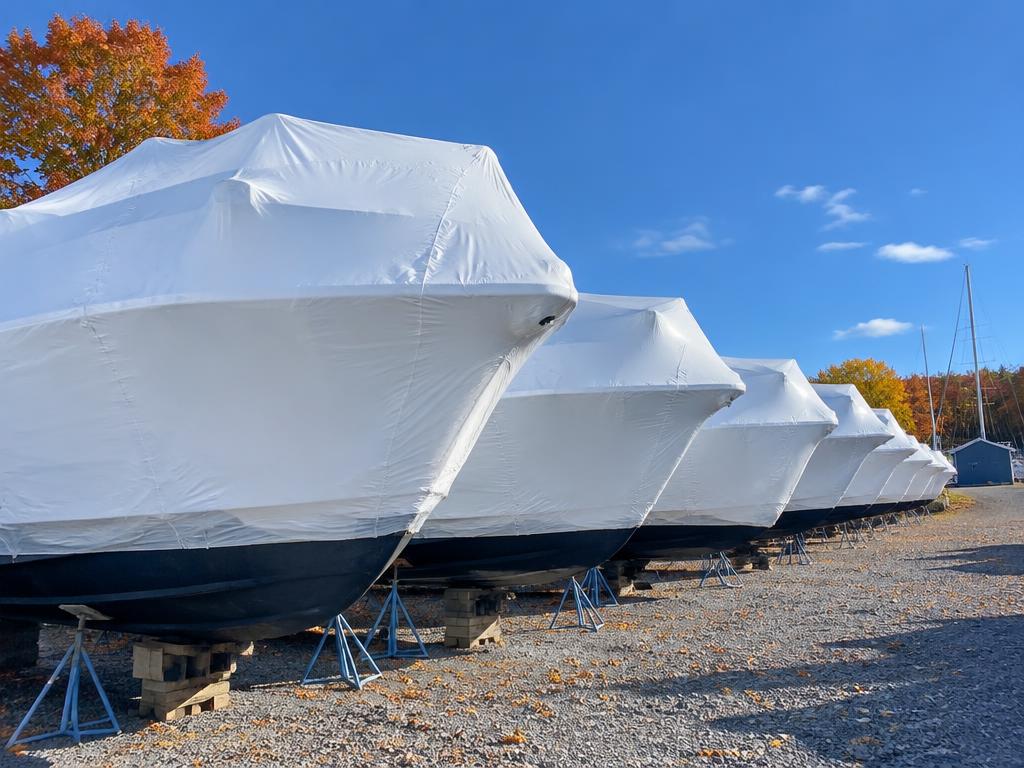
- 5Clear heavy snow after storms, or have the boat wrapped over a frame that sheds it.
- 6Inspect hoses and clamps below the waterline, and close seacocks that aren't needed while the boat sits, following your boat's procedures.
- 7Check the boat regularly, especially after storms, freezes and power outages.
If it's already happening
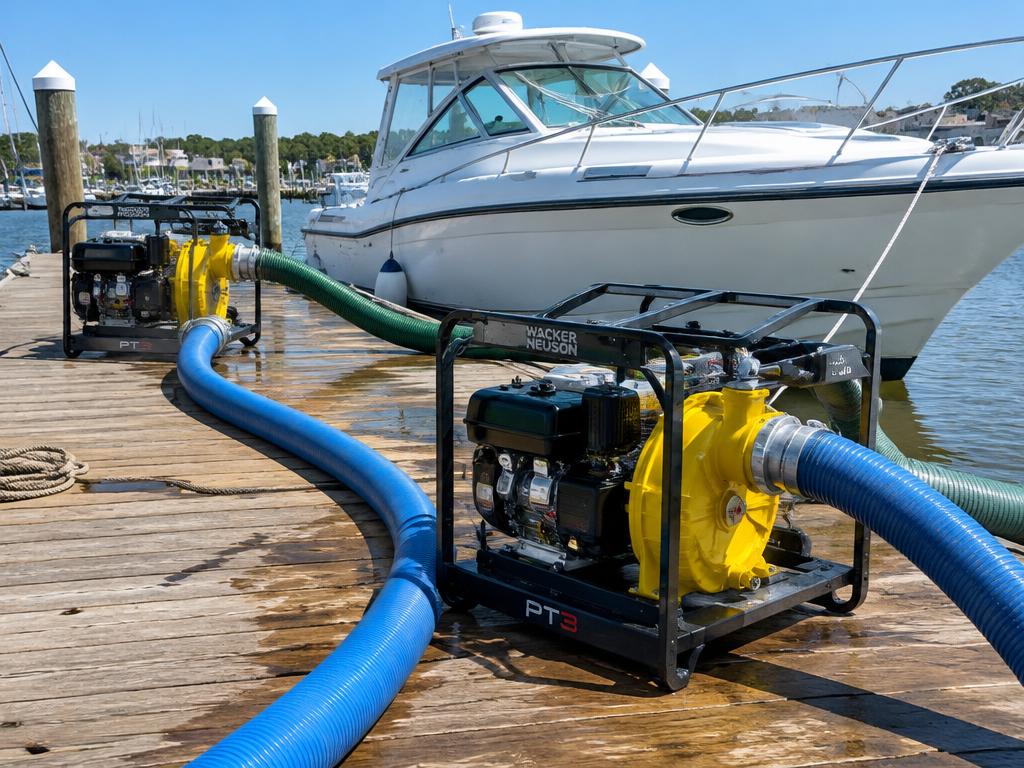
If your boat is taking on water or already sitting low, get help fast. Every hour of water adds damage to engines, wiring and interiors. See Emergency Dewatering for what to do while you wait. If anyone is in danger, call 911 or the Coast Guard first.
After a boat is raised
Getting the water out is step one. Then comes dry-out and a careful look at everything the water touched, especially engines and electrical systems. Wiring that sat in salt water often needs work. More on that at Rewiring & Electrical.
The bottom line
Boats that sink at the dock usually give warning: a battery that keeps dying, a pump that runs too often, a scupper that's always clogged. Catching those early is much easier than raising a boat.
Boat taking on water anywhere on Long Island? Call (866) 253-0892, 24/7.
Need help with your boat?
Wayne comes to your dock, mooring or marina — 24/7 across Long Island.